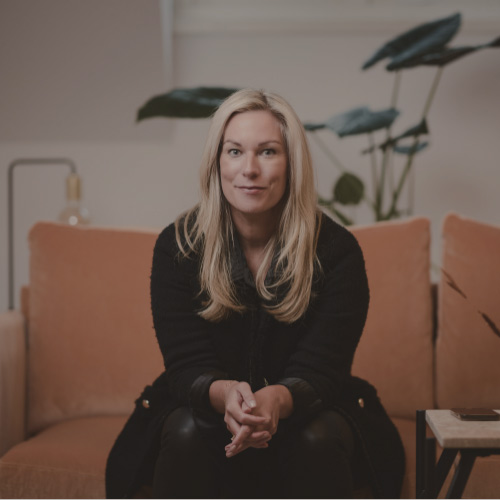
 Joanna Törngren Redebrant, writer. Photographer: Christoffer Duff
After experiencing one of the eight worst stock market years in history, we have seen a positive start to the new
year and optimism is starting to simmer. Now I would say that the timing to zoom out and set your
investment strategy for 2023 is perfect.
It's nice to have an investment strategy to hold on to when the storms come. That we need a map
and compass to know where we are, where we are going and how to get there. The risk of getting carried away by emotions and
making bad decisions is greater in volatile times, such as 2022 - one of the worst stock market years in history. So, what better way to start the new year, which has had a good start from a stock market perspective, than by cleaning up the portfolio and setting the strategy for 2023?
Experts' views on how the stock market year 2023 will end differ significantly, from a double-digit plus
to a double-digit minus. Is the glass half full or half empty? The truth is that no one knows.
In the times we live in, however, we know that the world around us is more turbulent than we are used to, from both a macroeconomic and a geopolitical perspective. For this reason, I believe that it is extra important to
spread the risk – also between different asset classes.
I will continue to invest quarterly and increase the asset classes and holdings that I have included in my portfolios for the long term and continue to believe in. Some of the asset classes I am invested in include
gold, silver, housing, forests, unlisted Swedish tech startups, listed stocks (US and
Swedish stock exchanges, ranging from smaller to larger marketplaces and holdings), ETH and BTC.
What I think looks particularly exciting in 2023, besides gold, is a potential buying opportunity for
smaller commercial properties. As always, we have a currency perspective to consider, which is affected to a greater extent in these turbulent times.
My investment strategy is therefore similar:
- I do not take more risk than I can handle and never invest money that I cannot afford to lose.
- I avoid borrowing (except for real estate).
- I spread my investments across different asset classes.
- I invest for the long term.
- I take profits regularly to be able to invest in new holdings and grow my portfolios.
Joanna Törngren Redebrant,
- Entrepreneur and investor
- Founder of the network Nyfikna Investerare

